

A short guide to finding people to join your campaign, and helping them get actively involved
To win, most campaigns need to grow! With more people more actively involved, you can increase your power and impact.
Often people want to make a plan to grow their group because:
This short guide offers practical tips and suggestions to help you attract and integrate new group members.

Plan ahead: create a sequence of activities that enable new people to get actively involved. For example, use door-knocking to invite people to a public meeting, then at the meeting publicise a 'welcome to the group' training.
Enable social connections: people stay in groups that are friendly and welcoming! Create opportunities for people to get to know each other and form real relationships.
Support new people to do something meaningful towards your goals – so they are more satisfied and the group has more impact.
Effective campaigns need people to be actively involved, some of them in a long-term and committed way. This is a big step for most people!
Make a plan that takes this into account, and makes it as accessible and motivating as possible for people to be in the group. In general, people need to be able to get involved in purposeful activity with a clear impact on your goals, build warm social relationships, understand what's going on and take part in decision making that's relevant to them.
For most campaigns, there are two (overlapping) categories of people you want to reach:
It is important that you don't just 'reach' the people with most at stake, but enable them to be involved in decision making as much as they want to be. Be prepared to put time into building committed relationships and understanding what's important to people – especially if you aren't part of the relevant communities yourself.
Bearing in mind who you are trying to reach, plan activities that lead people from becoming aware of your campaign to getting involved:
This sequence works for a number of reasons:
The outreach activities are more likely to be successful if you use them to invite people to an event that's appealing and not intimidating. A one-off event is also a good hook because unlike your regular meeting people have to attend now, they can't wait til next time.
The public event will be much more successful in its own terms if you have managed to drum up hype through your outreach activities. It also provides a platform to publicise your planned follow on activities that support people to get involved in the group.
The activities to introduce people to the group are essential to capture the energy you have generated through the event. This is a big priority! Provide an easy way in while people's interest is still fresh.
Getting the group organised to make it easy for people to be involved means that the new people are more likely to become active members who bring their energy, ideas, analysis and commitment to build the campaign.
This sequence can be repeated in a cycle as your group grows.
Your workload is easier to manage if you plan the sequence in advance. However, it is also important to be able to seize the moment if your issue hits the news. You can prepare for moments like this by having a few things ready, like a team of people ready to publicise a demo or event at short notice, or a standard campaign leaflet with space to add new upcoming events on a sticker.
Plan how you will reach the right people. Your messaging and the methods you choose will depend on who you are prioritising – for example social media might be enough if you just wanted to reach 'like-minded' people you were already connected to, door-knocking would be much more effective if you wanted to make new connections in a particular (geographical) community. See our guides to Messaging Strategy and Door-Knocking and Stalls for more about this.
In some cases, you will need to convince people that the campaign issue is a bad thing they need to be worried about. In lots of cases, the people you are talking to will know that already! Either way, if you want people to commit their time and energy to the group they probably need to believe the group is both powerful and welcoming. Offer practical and easy ways to get involved, and try to put across how you think you can be effective.
Checklist to include:
Direct invitation: This is often the easiest way to bring new people into the group. People may well be flattered to be asked directly, and so more likely to come along. A pitfall of this method is that you could limit yourselves to your existing social circles.
Contacting groups that have contacts and relationships you are missing, such as community centres or related campaigns. For example, in a campaign for trans healthcare you might reach out to organisers of LGBT youth groups, queer club nights, mutual aid networks etc.
Door-knocking: This is a systematic way of reaching people in a particular place. For example a tenants union could knock on all the doors in a big block of flats with the same landlord. An anti-incinerator campaign might go to all the houses likely to be affected by pollution.
Stalls: This method tends to attract people who already have strong views on the issue. It is a good way to have a visible presence, and find people who are already receptive to your ideas. You may also encounter people who disagree and want an argument!
Social media: This is a great way to reach people who already agree with your campaign or are connected in your social circles. You can also share your posts in relevant community groups, and directly message people who are interacting with your posts.
Local media: This enables you to reach people outside of your bubble – though be aware you have limited control of the messaging.
Posters and flyers: Back up your face-to-face outreach with a leaflet to reinforce the key points and information. Distribute posters widely, especially in places where you reach beyond the 'usual suspects'.
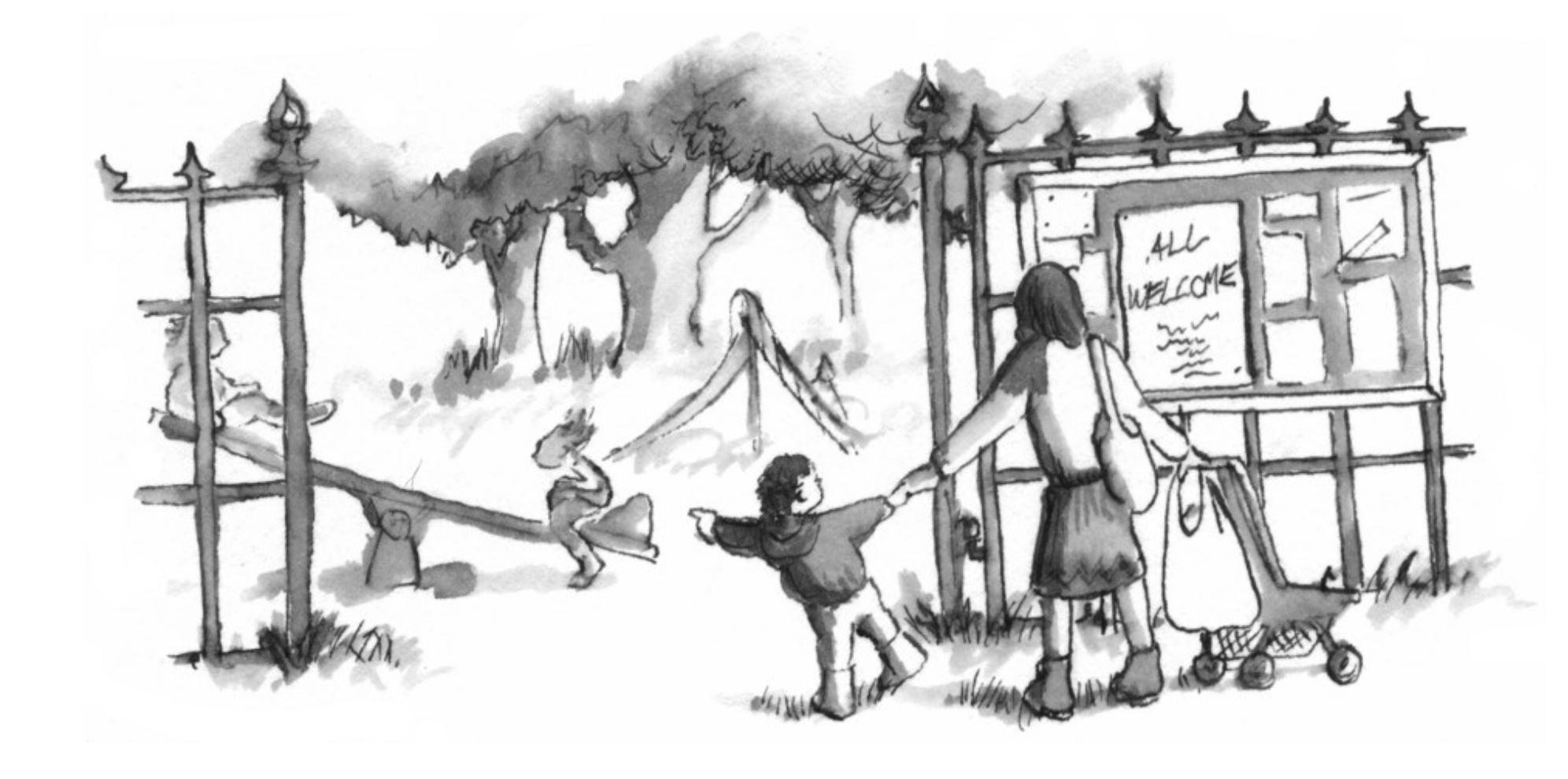
This could be anything that lots of people can get involved in or support. For example a demonstration, a public meeting, a film night, a strike, a street party, an occupation, an action camp, a community picnic…
Different events will be suitable at different stages of your campaign, depending on how many people are involved and what will put pressure on your target. You could plan an escalation of events over the course of a year, each with their own set of outreach activities beforehand, and integration activities afterwards.

Choose an event that:
Whatever you plan, make sure that you use it as a platform to publicise your follow-on events. Where possible, incorporate chances for people to build social relationships. For example at a demo, you could create a meet-up point for people who've come on their own, and a social afterwards like a shared meal, open mic or meet up with games in the park.
In order to seize the momentum from your public event, plan and publicise activities that give people a way in to the group.
Consider how these can help people:
Welcome meetings: This doesn't necessarily need to be completely different from your regular meeting, but it should be geared towards new people. You could include: an early section of the meeting explaining how the group works, a go-round where everyone introduces themselves and explains what drew them to the group, and a chance for new people to join working groups if they want to get stuck in.
Training sessions: This could be a quick induction to a specific group task, a discussion where people explore the political issues the campaign is up against, or a quick overview of how the group works. Or you could try a 'skills-tasks match' where new and established people in the group list all their skills and resources, and then you match them up to possible campaign activities. Whatever you do, keep it short and avoid the temptation to cram in too much content! People are more likely to come back because they had a nice chat with someone than because you imparted all the knowledge you've gained through ten years in the group!
Campaign activities that new people can join: If the new people who join are also new to the issues, then the activities should be planned so they can play a meaningful role without needing a lot of knowledge. If people are more connected to the issue already there are a lot more options, such as joining a stall or door-knocking session. Either way, look for options that enable people to socialise together at the same time, for example: a postering session round town, banner painting, helping cook for a community meal, attending a regular rally.
Social events: These are any events where the main point is for people to get to know each other and enjoy spending time together – a shared meal, football in the park, an online games night, or a film and discussion. Try to vary what you do, because different events will be accessible for different people. You can also plan group activities in such a way as to be social – e.g. stopping for cake in the middle of your banner making session.
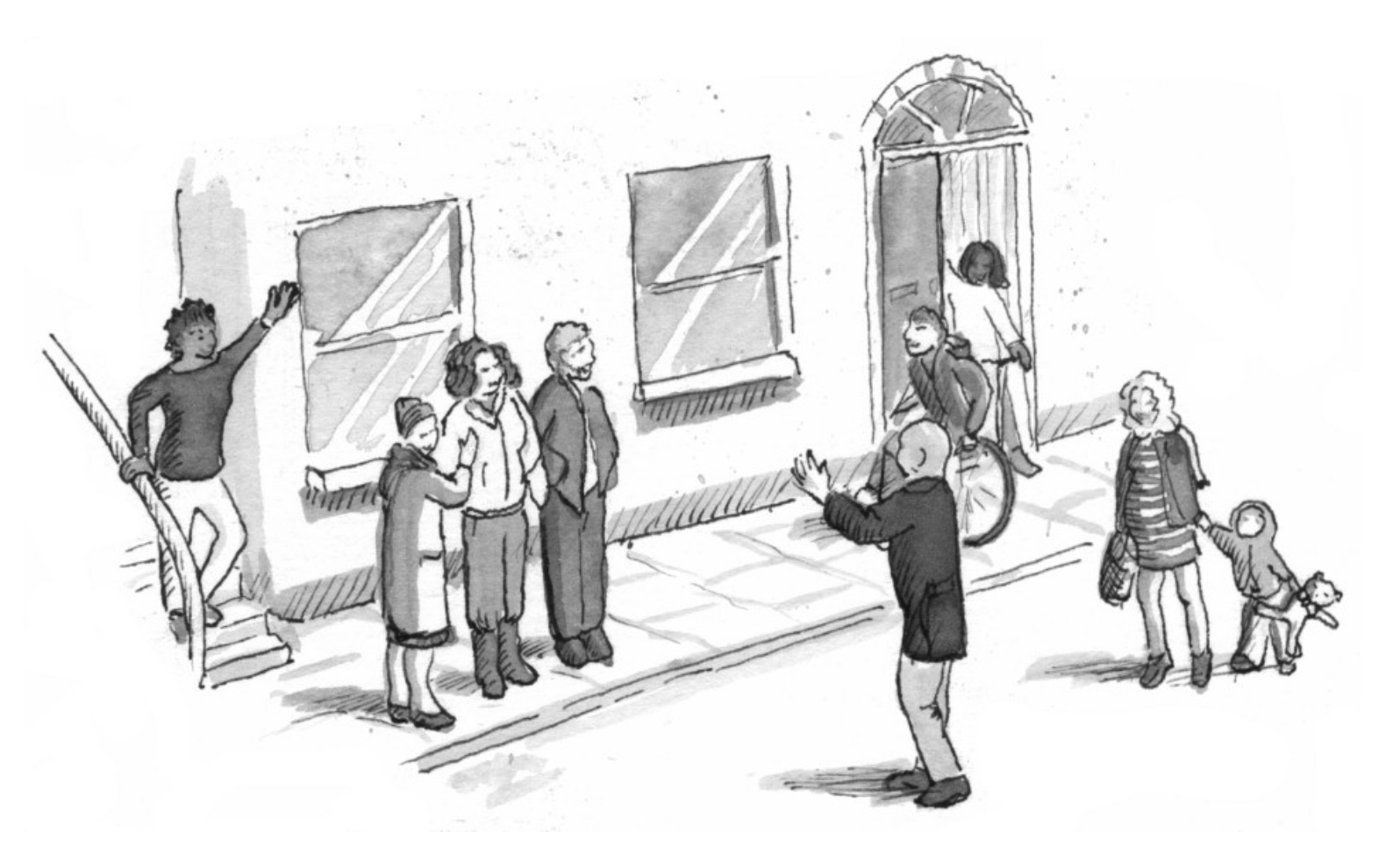
This includes anything you need to change in the group's internal systems to make it clearer and easier for new people to be involved in decision-making and organising as part of the group.
Sorting out your internal systems is particularly relevant if your group is quite new, or has been fairly small up til now. In this case, it is quite likely that your systems have evolved to suit existing members, without conscious thought about how well they fit the group as a whole. Come up with a few clear, shared agreements on things like how decisions are made, how to reclaim expenses and where to store information so that new people know how to take part.
This doesn't necessarily mean creating a complex bureaucracy, watertight legalistic policies or a 30-page member handbook! In most cases, it's best to keep things simple to reduce the workload on yourselves and avoid overwhelming new people with detailed information.
| 'Informal' system | Consciously chosen system | |
|---|---|---|
| Storing information | Minutes and other bits of key information are stored on the computers of whichever group member wrote them, they are shared when needed (e.g. immediately after meetings) but not saved anywhere accessible. | The group has a shared file system with different folders for regular minutes, long-term decisions and important information like passwords and bank details. |
| Decision making | 'Key' members of the group often make big decisions on their own or just checking in with each other, group meeting agendas are a random assortment of whatever questions are most urgent on the day of the meeting. | Important decisions are saved for whole group meetings (which can be called in an emergency if necessary). Working groups have a clear remit for what decisions they can take independently, e.g. the finance team can pay out people's minor expense claims, but an annual budget is created by the whole group together. |
| Communications between meetings | All discussion and decision making between meetings takes place on a single group chat that was set up when the group was created. (Most) new members are invited to join, but only a handful of people take part in discussion. | There are different group chats for different purposes, e.g. an announcements chat with basic information about meetings and actions, and discussion groups for working groups. Information in the announcements chat is replicated by email and social media. |
| Ways of doing tasks | Methods for regular tasks built up by whoever first did them. For example, the people who organised the weekly stall brought items from home, so that the things needed are scattered between three different houses. | There are shared systems for tasks that benefit from consistency. For example, there is a checklist of items needed for a stall (banner, leaflets, sign-up sheets, table). These are stored in one place that is central and easy to access, so that any group member can do a stall easily. |
The group will be more robust if you communicate openly and often! Create opportunities for people to give feedback about their experiences as part of the group, and to debrief things you organise together. Also create opportunities for fun together – many more issues can be resolved if you like each other! People are also usually much more committed to the group if you are having a clear impact on your target – create a good strategy and make sure your outreach activities fit with that instead of being an end in themselves.
To sustain the group, try our other guides on collective organising, such as Effective Groups, Meeting Facilitation, and Online Decision Making.