

A guide to putting on training and skillshares for people in your campaign group
This is a guide to running an effective workshop to help people in your group to gain skills, learn more about the campaign issue and explore relevant strategic and political questions. We also aim to help you create a positive shared experience that brings people together and boosts morale.
Our experience and the examples we've used mostly come from workshops in a campaign context. We've also included examples of the kind of practical skills training that might happen alongside campaigns, for example mass catering or self-defence classes.
This guide is written to support people with little or no experience in giving training to be able to plan and deliver an effective session. Our guide Facilitation Tools for meetings and workshops offers tips on how to facilitate specific exercises and Facilitating Meetings includes core skills for listening and asking questions to help people explore a topic.

By choosing the word 'facilitator', we are rejecting a hyper-traditional model of education where an expert teacher transfers knowledge to passive recipients. There can also be downsides to a workshop-giver being too passive – if a workshop just consists of undirected discussions participants may not learn anything new. Good facilitation involves both the trainer and participants playing an active role. The facilitator proactively introduces exercises and information to enable participants to think, discuss and build new skills.
Most people need to do something active with information in order to concentrate and take it in.
To remember something longer term, give people a chance to engage with the same content multiple times. Relating new information to past experience also enables participants to engage and remember it better.
Include a mixture of types of activity, including opportunities to see and hear new information and move around in the session. Varying group sizes enables people with a range of social preferences to participate.
When participants have good relationships with each other, they are much more able to learn effectively – they are more likely to feel confident to try new things, ask questions when they don't understand and be open to changing their minds about things. Most people can also stay focused much longer when they are in a conversation, compared to reading or listening to one person speak.
In order to concentrate people need to be physically comfortable. Think about food, drinks, breaks, comfortable seats, sensory items, natural light, fresh air, space to move around etc. Include frequent screen breaks if you're online. Invite people to think about their own access needs or things that help them to focus or feel comfortable.
What do you want participants to be able to do differently as a result of your workshop? Be as clear and precise as you can, and refer back to your aims when deciding what workshop content to prioritise.
If your session is for a particular group, try to work out the aims by talking to them, getting clear about where they are currently at and what issues they want to prioritise in the session. For example, if people aren't confident running a stall, how could your training help? Do they need to clarify the campaign message, get better informed about the issues, or come up with techniques for managing social anxiety?
If your session is open to individuals from different groups try to be clear before people sign up what you are planning to cover. Or if you are confident planning on your feet you could start the session by asking people what they are interested in, and then decide what to prioritise.
Introduce the workshop, including an overview of what you will do, and time for people to introduce themselves or say how they're doing.
Plan a sequence of activities that will help people make progress towards the aims.
Include enough breaks – usually a short one every 1–1.5 hours and a longer one for a meal. Online you may need more frequent breaks.
Wrap up: give enough time to close the workshop, for example debriefing what was learnt, asking for feedback, working out next steps.
When you have planned the workshop in detail, you may need to revisit how much you aim to cover to make sure everything fits in the time.
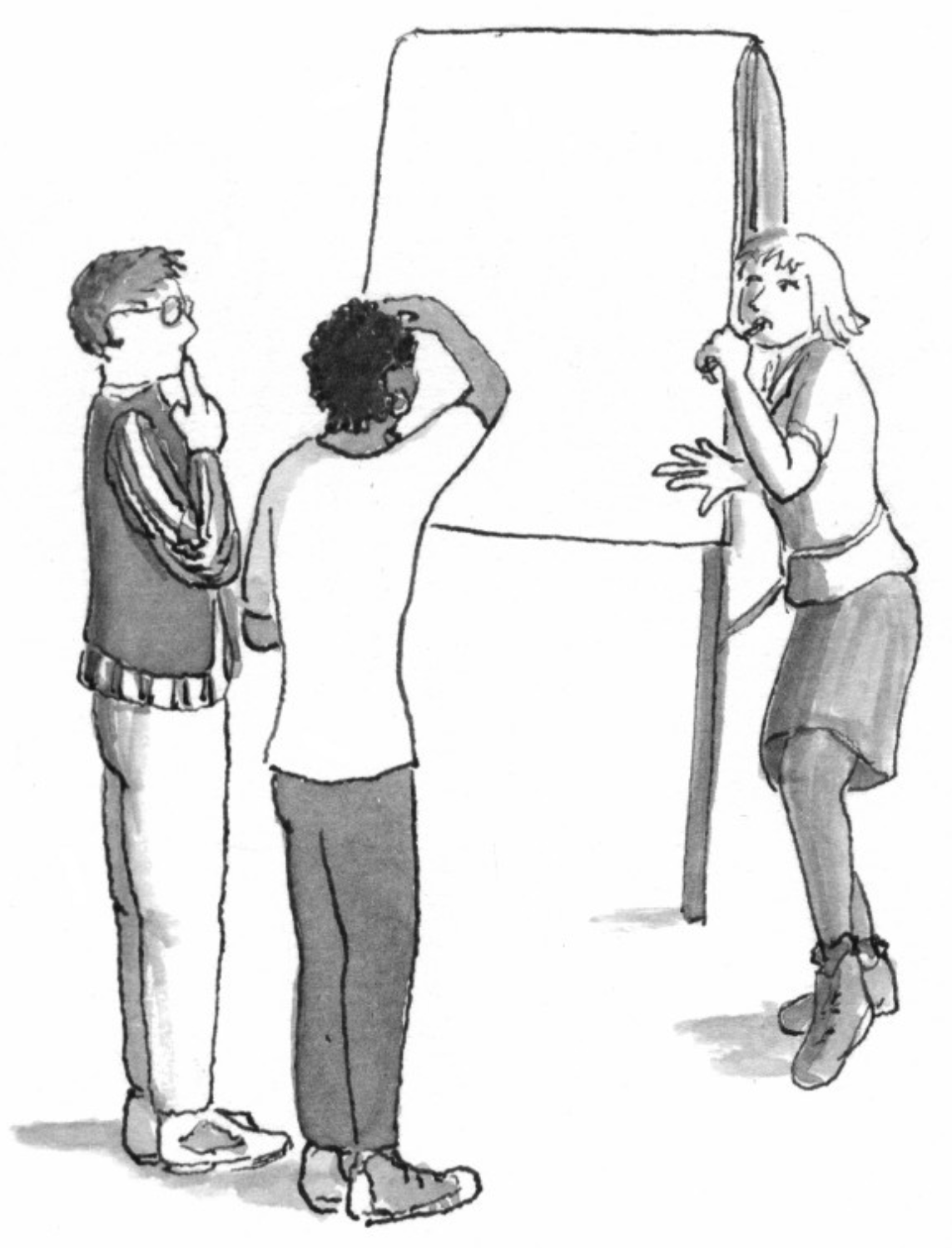
If you are new to delivering workshops, it may help to go into quite a lot of detail.
How long will it take? For example, if people are going into small groups to practise making stencils for banners, factor in the time for a demonstration from you, clarifying questions and people fetching the materials as well as the time for the practice itself.
What are you going to say? If you plan how you will give instructions or explain content it can help you be clear and concise! Work out the important points to emphasise. Ideally, write down instructions for exercises so people can remind themselves what to do. Or if the exercise is more complex, model it with a small group in front of everyone else before sending people off to do it independently.
What questions do you want to ask? If the exercise is discussion based, getting the questions right can make a big difference to how useful the conversation is – especially if people are in small groups and you can't steer them back on course. Keep the wording as simple as you can, and write down the questions if there is more than one.
Equipment and practicalities: How will you make it work in practice. Do you have enough materials for everyone to do the practical session? Have you checked the projector connects to your laptop? Can you manage the tech in an online session or do you need help?
Aim: To develop and practice skills in speaking to the media
Assumed prior knowledge: Participants have relevant knowledge about the campaign issue that the interview will focus on. In the previous exercise, participants looked at examples of effective interviews to glean tips for success.
Set up (10 mins): Explain the aim of the exercise. Arrange participants in groups of 3. Each group should assign an interviewer, interviewee and an observer. Explain task and check for questions, give out printed instructions. (Allow extra time to model the exercise as well as explaining it if you think the group struggles to follow verbal instructions).
Task (30 mins): In the persona of a radio news host, the interviewer will ask about the campaign and an imaginary banner drop that has taken place. The interviewee should ensure they stick to three key messages and use techniques such as sound bites to reinforce their point. Timings: 2 mins to prepare and get in role; 5 mins to do the interview; 3 mins to debrief. Repeat til everyone has had a go, implementing feedback.
Wrap up (10 mins): Participants share key insights in whole group.
The methods below are designed to help you put across information or support people to develop their skills and understanding. The aim is to take into account the ways that people learn – helping them develop relationships, get actively involved, process information etc.
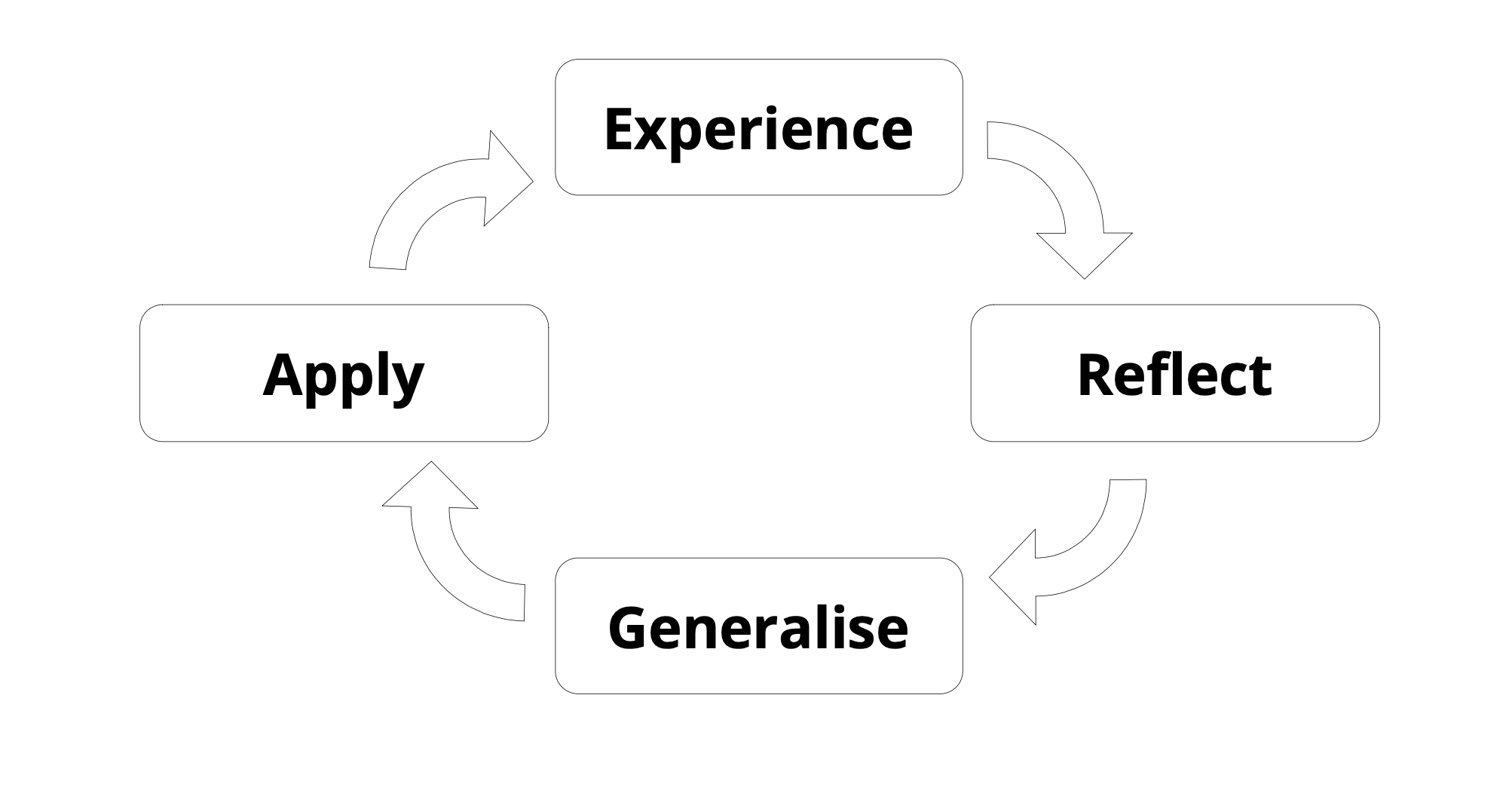
Many participants learn most effectively through a guided process of learning through experience. The recommended process is:
Experience: Participants do something real. E.g. Plan and role-play a banner drop action.
Reflection: Use questions to help participants analyse that specific experience, noticing exactly what happened and exploring why. Example questions: What happened? How did you feel? What exactly was the other person doing when you reacted like that?
Generalise: Draw out theories that could also be true in other contexts, based on those reflections. Example questions: What are your takeaways? What does this tell us about…?
Apply: Think through the specifics of how that general learning could be relevant in a particular new context. Example questions: what will you do differently in your next action? How do you think this would play out if it happened in your street? What will you put in practice in your campaign?
To develop a balanced analysis and set of skills, participants would need to go through the cycle multiple times. In a workshop it may be more realistic to offer short-cuts, for example providing instructions before the first experience, or introducing theories that have helped you at the generalisation stage. Even with this mix of experiential and directed learning, the learning cycle can help structure your workshop.
When there is a lot of information to cover it is tempting to save time by simply telling people everything you want them to know. That might work well for some participants, but to help more people take information in, the exercises below may be helpful. We have presented them in a rough sequence – engaging people by tapping into what they already know, adding something new, then letting them practice in exercises that are increasingly challenging.
Pooling the knowledge in the room: ask people what they already know about a topic. This approach can be safest with a question where no-one can be 'wrong'. For example, if you ask "What do you hear about nuclear power in the media" you can address myths without correcting individuals. Another alternative is to ask participants to recall past experiences and analyse them, for example demos they thought were well-organised, and what went in to making them happen.
Presentations: pick out the really key information, and back it up with visuals, examples and stories. To make this more participatory, invite participants to share reactions and questions.
Focused practice: These are artificial 'classroom'-like exercises that focus in on a particular area of knowledge. For example in a legal workshop, people could match up example actions with likely charges, or do a simple roleplay where they practise challenging a stop and search.
Lifelike exercises: These are exercises where participants have to use their judgement and apply things they've learnt in a realistic context, for example deciding what they would do in a complicated case study, or taking part in a less structured roleplay. In the legal workshop example, participants could plan their own action, integrating legal knowledge they have gained with other considerations such as strategy.
Here are some different approaches to how much guidance to give participants when they are learning new skills:
Directed learning with instructions: Demonstrate a skill, and invite participants to copy. For example if you were teaching people how to mend a puncture, you could break down the process into stages, model how to do each step, let people practice a bit at a time, and then repeat the whole thing beginning to end for reinforcement.
Open-ended skillshare: Set up exercises in which participants primarily learn from each other and from trial and error. Let them practise several times, using the experiential learning cycle to reflect on each practice, draw out learning and apply it to the next practice. This can work best with a lot of time for repetition or a lot of experience already in the room so participants can effectively learn from each other.
Mixed method: Support participants by modelling skills or offering instructions, but let them use their judgement about what approach would suit them. For example in a media training you could offer input through a series of short videos of TV interviews and offer your analysis of how interviewees respond to tricky questions. From there, people could practice imitating each of the techniques you've identified, and then do a more realistic interview practice where they apply whatever approach they choose and debrief how it worked.
When there is no right answer to a question, the role of the workshop facilitator is often to bring something new into the discussion, without leading the group towards a particular conclusion. Examples could include analysing a case study, using a new tool to structure their thinking or using two or three speakers or short videos to introduce perspectives and information about a controversial question.
Taking some risk is essential for learning new things. The way you plan the workshop can make a big difference to how easily people can take risks. Here are some things to consider:
This spectrum is a way of thinking about what mental state helps people learn effectively.
When someone is in their comfort-zone, they can coast along without feeling challenged, and they don't tend to change very much.
When someone is stretched they are fully engaged and potentially uncomfortable – this is tiring but optimum for learning!
If someone is panicked, their ability to take in new ideas shuts down.
The ideal is for participants to be stretched, with rest periods in their comfort zone. Look out for signs that a participant is panicking. They might not look scared – they might go very quiet and withdrawn, show intense body tension, cry or become aggressive. If someone panics, you could stop the activity altogether, or offer the individual the chance to sit out or talk about their feelings (e.g. with another facilitator).
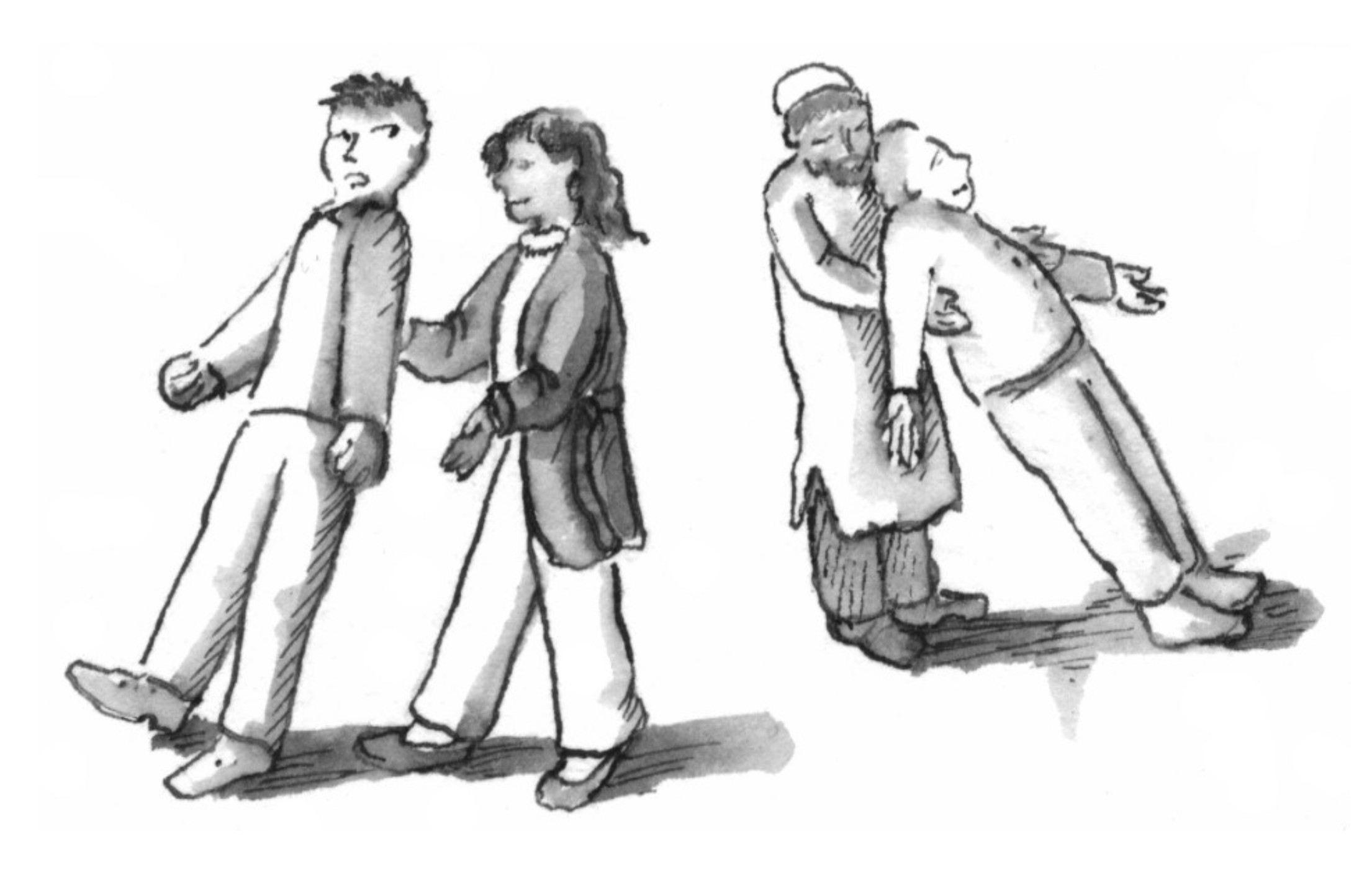
If you build up risks gradually through the session it is likely people will be able to build trust in themselves and each other and stretch themselves more. For some risks this is easy to plan for, for example in practising conversations at a campaign stall through roleplay, you could start with a scenario where the passer-by was supportive and build progressively towards practising conversations with someone sceptical.
More social and psychological risks will vary more from person to person, so the key is to give people control over how they push themselves. Ask for volunteers rather than putting people on the spot and let people choose the kinds of personal experience they share. If it is relevant, get people to tell each other things they aren't comfortable with before practising together, for example how aggressive their roleplay partner should be in a self-defence practice.
Do what you can to enable everyone to participate in your session, and ideally to have a good experience. You are unlikely to make your workshop completely safe or accessible, particularly because what makes a workshop accessible for some can make it inaccessible for others. A bit of communication and forethought can still improve it a lot.
Do a risk assessment to avoid things that could literally injure people, like falling in a climbing workshop! Also consider psychological risks, such as past traumas being triggered.
Make an access plan to remove barriers that prevent some people from joining in, e.g. choosing a venue that works for someone in a wheelchair. Sometimes you can only reduce the barriers, for example lots of breaks might make your session a bit easier for someone with chronic fatigue but they still might not be able to attend for a whole day.
Ask people in advance if they have any concerns about the session, and what about the venue or your facilitation would make it easier / possible for them to participate. Ask about relevant requirements, but don't ask someone to disclose unnecessarily personal information e.g. about their diagnoses. Offer different ways to communicate with you (e.g. phone / text / email) to make it easier for them to respond. See our guide to Accessible Venues for more on the practicalities of accessibility.
Aims: Build skills and confidence to go door-knocking as campaign outreach.
Go round for people to introduce themselves and why they have come. Run through the agenda.
Can you think of a time when you had a good interaction with a stranger? What was the person doing or saying that contributed to it being a good interaction? What did you do and say?
1) Based on people's reflections about their own experiences of interacting with strangers, ask for a list of qualities to aim for when door-knocking.
2) Ask about the aims of door-knocking for your campaign. Does that change anything about the list of qualities you are trying to put in practice?
Offer the group some tips to apply when door-knocking for a campaign. Relate these to the qualities the group have said they want to aim for.
People prepare individually with prompts, e.g. thinking what they will say first, how to build rapport, what points to make etc.
In pairs, people each have a turn at pretending to knock on someone's door, and hold a 5 minute conversation about the campaign.
After each practice, ask each other: How did that feel? What worked well? What didn't work well? Did you apply the tips offered and did they work for you? Did you put across the things you wanted?
Review practice: what have people learnt from it. What would they apply if they went door-knocking next week?
How do you feel about going door-knocking now?
(Our guide Doorknocking and Stalls has more content that could be useful if you were really running this session!)


